
Finding contact grit
Can you persuade a reluctant youngster to be more involved in contact? Yes, but it needs the right nudges and environment. Here's how...

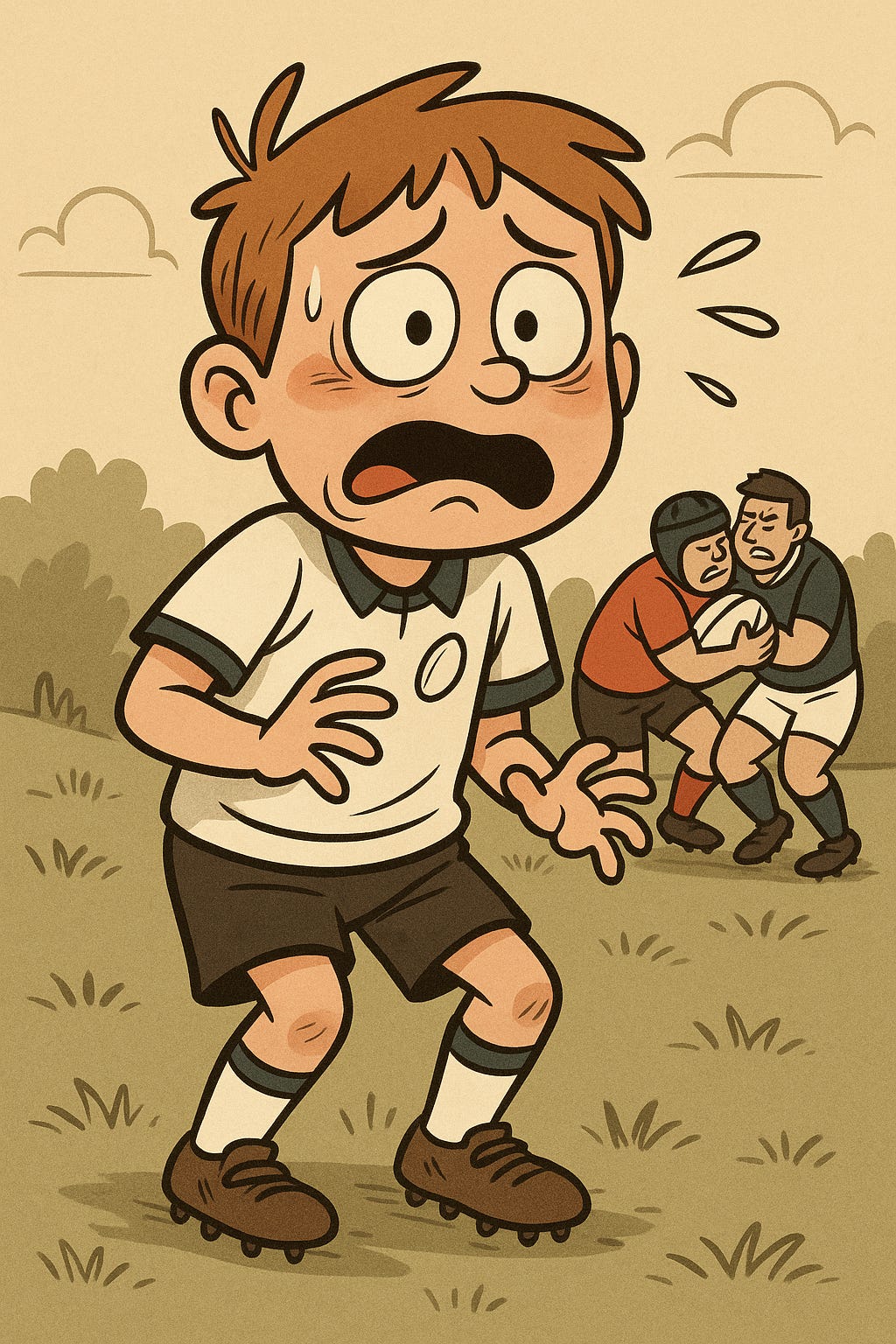
If you want to see real competitiveness, ask a group of PE teachers to play a game. Even a simple round of touch rugby brings out a ruthless streak. Add in a few colleagues who look after the B, C or D teams and you get a fascinating mix. Some join in with the same intensity. Others hang back, less willing to throw themselves into the rough and tumble.
This became clear when I worked with a group of London teachers at the start of the year. They played plenty of games, but one member of staff repeatedly drifted away from the action. When it came to moments of contact, his reticence was obvious. Interestingly, when he had no choice but to engage, he did well. The issue wasn’t ability, but mindset.
The conversation turned to how we introduce contact to first-timers, such as eight-year-olds. My belief is that you build confidence through carefully designed games that grow steadily more physical. The aim is to normalise contact so it becomes part of the game, not an obstacle to it.
That comes with caveats: games must rule out dangerous play. No hand-offs, short distances, narrow pitches – all help keep players safe while they learn.
For young players, the gap between bigger and smaller teammates is less intimidating than adults imagine. What matters is helping each child experience their own strengths and weaknesses. If a coach dictates what to do, the learning is shallow. If a player feels why a lower body height or stronger leg drive helps, the lesson sticks.
Rugby’s rough and tumble isn’t about fear. It’s about finding grit through experience – then nudging players towards better, safer, more effective outcomes.
“Success is the sum of small efforts, repeated day in and day out.” – Robert Collier, Author of the bestseller, the Secret of Ages