
Do players know best?
When do you let the players take control and when is it time to step in.

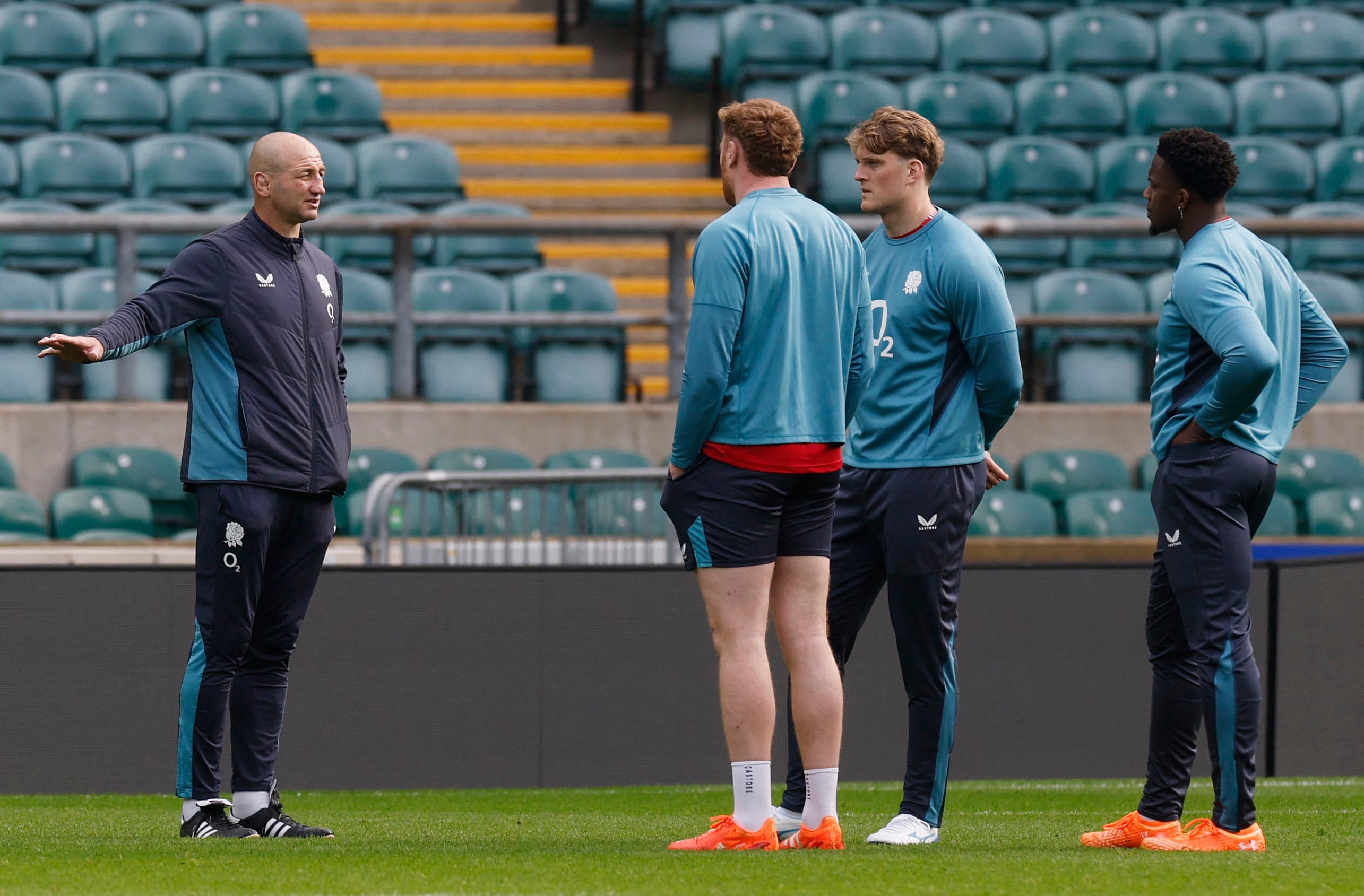
Knowing when to step in and when to hold back is one of the enduring tensions in coaching. It is not something you solve once and move on from. It is something you manage, session by session, player by player. In many ways, the struggle is the point.
We talk a lot about letting players find their own solutions. That is right, but only if they have some sense of direction in the first place. A nudge works when the player is already facing roughly the right way. If they are not, then your role is more deliberate. You are helping them see the end in mind so they can take the first step with some confidence.
Co-creating parts of the session increases ownership. This tends to work better with experienced players, who have a clearer picture of the game.
The best moments often come when the player seeks you out. They have hit a barrier and want help. Now you have a choice. You might give a clear instruction and follow it with a question to deepen understanding. Or you might ask them what they think is happening, knowing they already have enough knowledge to work it out.
There is also real value in bringing players into the process. Co-creating parts of the session increases ownership. When players feel responsible, they engage more fully with both success and failure. This tends to work better with experienced players, who have a clearer picture of the game. Novices still need structure, though they can contribute through reflection on what is working for them.
The challenge is that players, like coaches, can have a narrow lens. Some focus too much on the present, others set ambitions that are far ahead of their current level. Our job is to help calibrate that. Provide the right amount of struggle, simplify the decisions, and intervene with purpose, not habit.
We cannot micromanage learning. We can guide it. And, over time, that guidance becomes something we share with the players themselves.